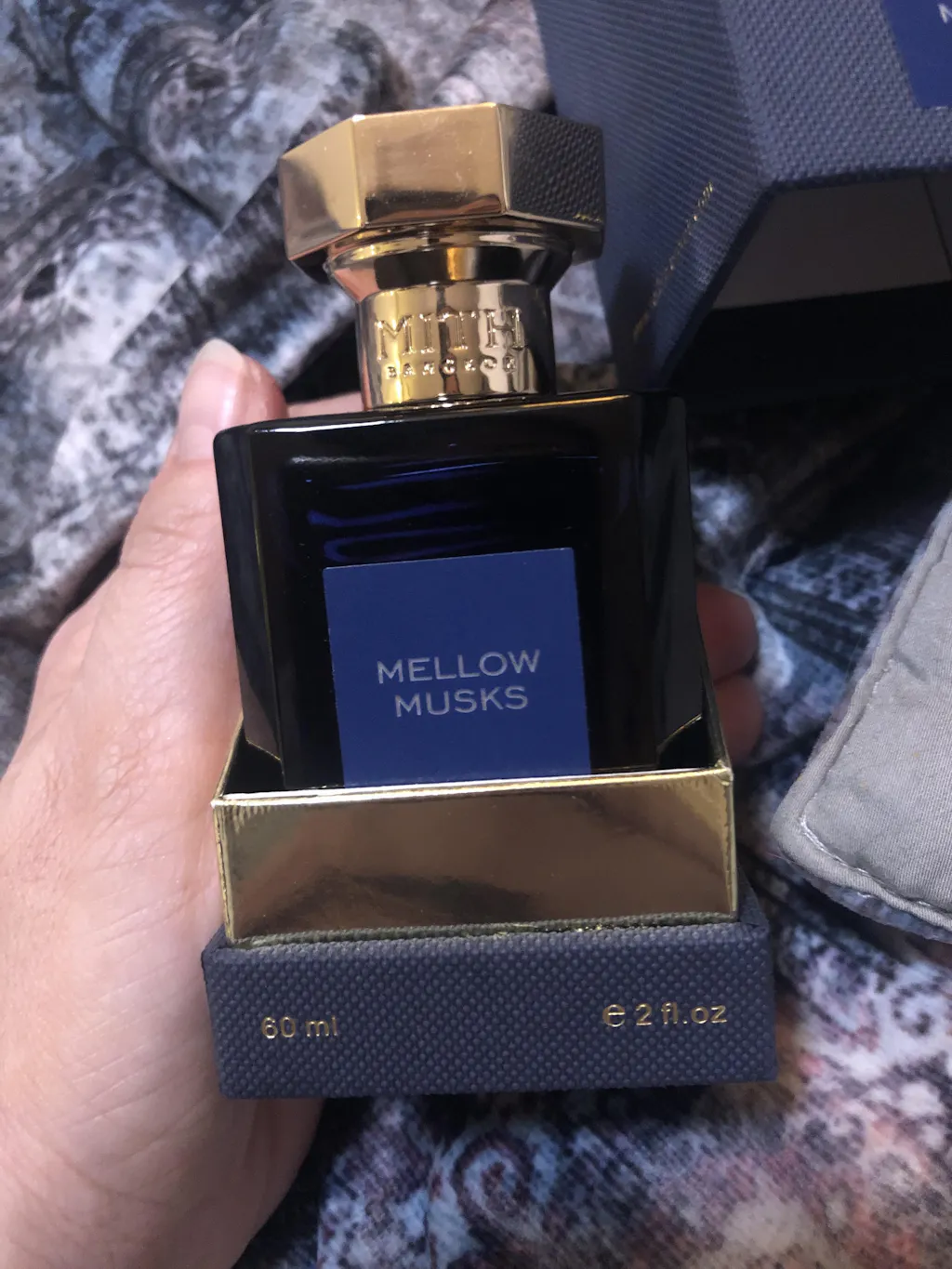
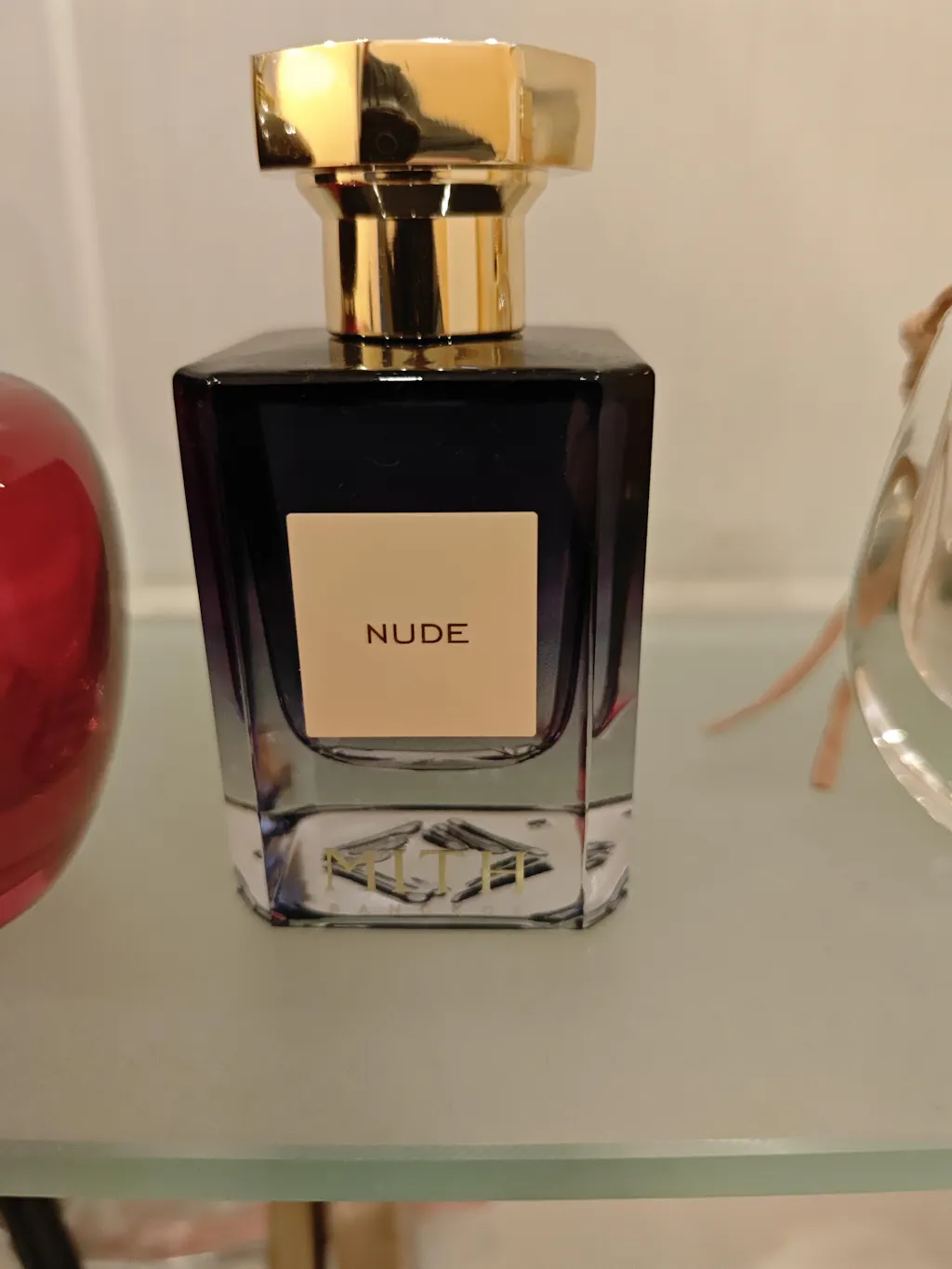
Tea in perfume has a particular kind of allure. It is neither conventionally sweet nor aggressively fresh, which is exactly why the best tea scented perfume often feels so modern. A well-made tea fragrance suggests steam rising from porcelain, dry leaves between the fingers, citrus peel on a silver tray, or the quiet bitterness that keeps florals and woods beautifully in check.
For fragrance lovers who have grown tired of predictable gourmands and loud ambers, tea offers something more composed. It can read airy, smoky, green, mineral, creamy or quietly sensual. It also wears with unusual elegance, especially for those who want scent with presence rather than volume.
What makes the best tea scented perfume so compelling?
Tea notes are fascinating because they rarely smell like a literal cup of tea. In perfumery, tea is usually an impression built from materials that evoke tannins, dried leaves, aromatic steam, smoke, herbs, citrus and soft woods. That gives perfumers room to interpret tea in very different ways.
A black tea perfume may feel refined and brisk, with bergamot, spice and cedar giving it the structure of an impeccably tailored jacket. Green tea often leans brighter and more translucent, with sharper herbal facets and a cleaner finish. White tea tends to be softer, more musky and more delicate on skin. Then there are more atmospheric directions - maté with its hay-like bitterness, jasmine tea with floral luminosity, or chai styles wrapped in milk, cardamom and sandalwood.
This is also why tea scents are so wearable. They sit comfortably between freshness and depth. If a citrus cologne disappears too quickly on you, but an oriental feels too dense for daytime, tea often lands in the sweet spot.
12 best tea scented perfume styles to know
Rather than forcing a single winner, it makes more sense to understand the tea fragrance families that perform best depending on your taste, wardrobe and season.
1. Black tea and bergamot
This is the most classic route and often the easiest place to start. Think of the polished sharpness of Earl Grey translated into perfume - bright citrus over dry tannic leaves. It feels crisp, intelligent and quietly expensive.
This style suits office wear, city dressing and anyone who likes structure in fragrance without heavy sweetness. If you enjoy neroli, vetiver or restrained woods, black tea and bergamot is usually a safe pleasure.
2. Smoky tea
Some tea perfumes lean into lapsang or incense-like facets, creating a darker and more textured profile. These scents can feel meditative, slightly austere and very chic when done well.
The trade-off is that smoky tea is less universally easy. On some skin it becomes compellingly atmospheric; on others it can tilt too dry or savoury. If you like leather, incense or birch tar, this is where tea becomes genuinely addictive.
3. Green tea with citrus
Clean without smelling sterile, green tea perfumes often pair beautifully with lemon, yuzu, mandarin or petitgrain. They are bright, energetic and ideal if you want freshness with more character than a standard cologne.
The catch is longevity. Many of the most refreshing green tea scents wear close to the skin after a few hours. That is not necessarily a flaw - sometimes elegance lies in restraint - but it matters if you expect all-day projection.
4. White tea and musk
White tea fragrances are the sheer cashmere of the category. They tend to feel soft, airy and polished, often supported by delicate musk, pale woods or understated florals.
This style is especially strong for those who want a signature scent that never overwhelms. It may not satisfy someone seeking drama, but for everyday sophistication it is difficult to fault.
5. Jasmine tea
Jasmine tea perfumes can be exquisite because they temper white floral richness with watery transparency and leaf-like bitterness. The result is often more nuanced than a straightforward jasmine perfume.
If you usually find white florals too heady, this direction is worth exploring. Tea gives jasmine lift and poise, keeping it luminous rather than dense.
6. Matcha-inspired scents
Modern fragrance has embraced matcha for good reason. Its profile can feel creamy, green, slightly bitter and softly gourmand all at once. A good matcha perfume is less about literal latte sweetness and more about texture.
These scents suit contemporary niche tastes very well. They feel trend-aware without being gimmicky, especially when paired with rice, fig, vanilla or sandalwood.
7. Chai and spiced tea
Cardamom, cinnamon, ginger, clove and milky woods can turn tea into something warmer and more enveloping. This is one of the most approachable tea perfume styles for colder months.
Still, balance matters. Too much sweetness and the tea character disappears into dessert territory. The best versions retain a dry aromatic thread that keeps everything elegant.
8. Tea and fig
Fig adds creaminess, green sap and a sun-warmed smoothness that pairs beautifully with tea notes. The result often feels relaxed yet refined - less formal than black tea, more textured than a simple green scent.
For weekend wear or spring into early autumn, tea and fig is particularly easy to live with.
9. Tea and osmanthus
Osmanthus brings apricot-like softness with a leathery undertone, which can make tea perfumes feel velvety and quietly sensual. This combination often appeals to wearers who want something niche but not difficult.
It is a subtle style rather than a loud one, and that is precisely its charm.
10. Tea with iris or powdery notes
When tea meets iris, violet or soft powder, the effect can be wonderfully understated. It feels intellectual, composed and a touch vintage in the best sense.
This is not the obvious crowd-pleaser, but it often becomes a collector's favourite because of its restraint and finesse.
11. Tea and woods
Cedar, sandalwood, guaiac wood and cashmeran can anchor tea notes beautifully. Woods stop tea from feeling fleeting, while tea stops woods from feeling too heavy.
If you want a scent that moves from work to evening without changing character completely, this category is one of the strongest.
12. Mineral or aquatic tea
Some contemporary compositions place tea in a cooler, more abstract setting with watery notes, stone accords or metallic freshness. These can feel very modern - almost architectural on skin.
They are not for everyone, but if your taste runs clean, unusual and urban, this may be your version of the best tea scented perfume.
How to choose the best tea scented perfume for your taste
Start with the question of texture rather than note pyramid. Do you want tea to feel crisp, creamy, smoky or soft? That answer will usually guide you better than choosing between black tea and green tea on name alone.
Skin chemistry matters more than usual with tea fragrances because many rely on nuance. A perfume that smells beautifully dry and refined on paper can turn unexpectedly sharp, soapy or faint once worn. Conversely, a composition that seems almost too quiet at first can bloom into something elegant after twenty minutes.
Season matters too, though less rigidly than people think. Green and white tea styles are natural choices for spring and summer, but smoky black tea can be stunning in rain, and creamy matcha can feel excellent in cool weather. The better question is not whether a scent is seasonal, but whether its density suits your day.
When tea perfume outperforms other fragrance families
Tea often succeeds where other categories become tiring. It can give you freshness without the bluntness of shower-gel citrus. It can offer sophistication without the weight of resinous amber. It can bring softness without sliding into sugary gourmand territory.
That makes tea particularly useful for people building a more edited wardrobe of scent. If you want a fragrance that feels distinctive but still easy to wear repeatedly, tea deserves serious attention. It is also an excellent choice for gifting because it tends to feel refined and contemporary rather than divisive.
For those exploring niche fragrance more intentionally, curated retailers such as Villenel Fragrances can be especially useful because tea-centred perfumes often reveal their quality through composition and context, not simply through a recognisable name.
The best tea scented perfume is rarely the loudest one
Tea fragrances reward patience. They are not always designed to announce themselves across the room, and that is part of their sophistication. The best ones create a private aura - polished, expressive and memorable in a way that feels considered rather than obvious.
If your ideal perfume is elegant, slightly unconventional and easy to return to, tea may be the note worth pursuing next. Follow the version that suits your temperament - bright green, smoky black, musky white or creamy matcha - and wear it long enough for its quieter details to come into focus.