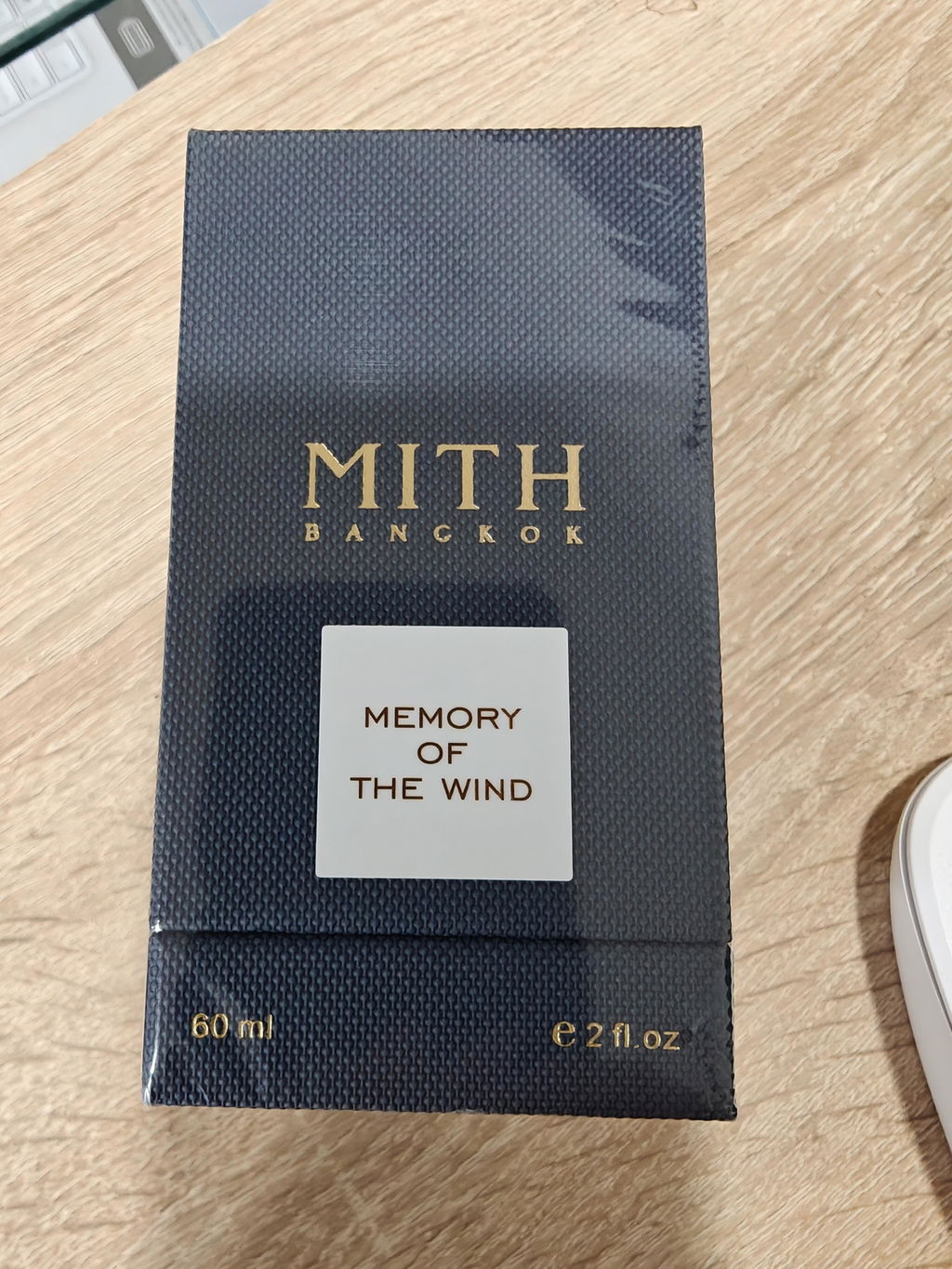
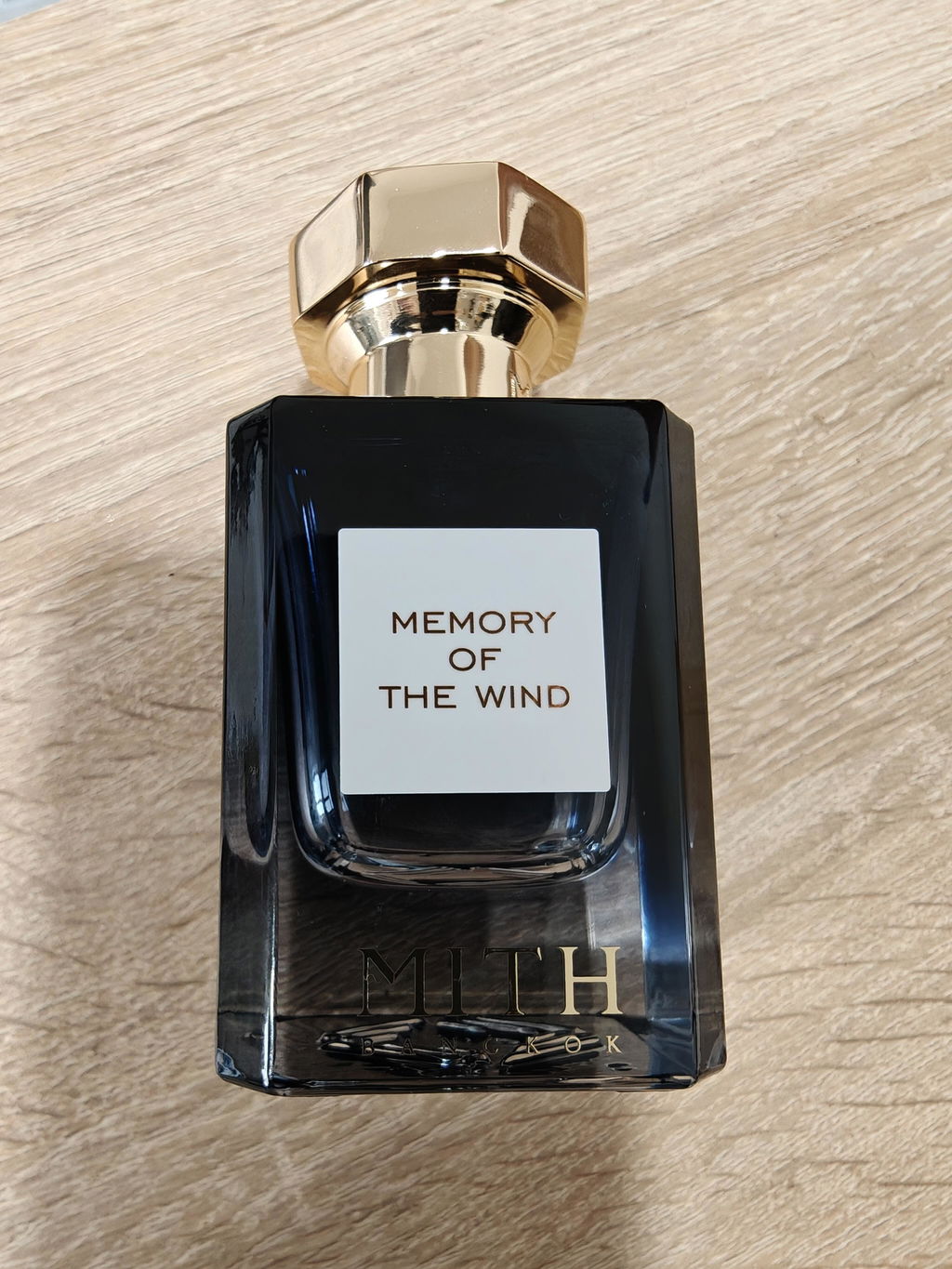
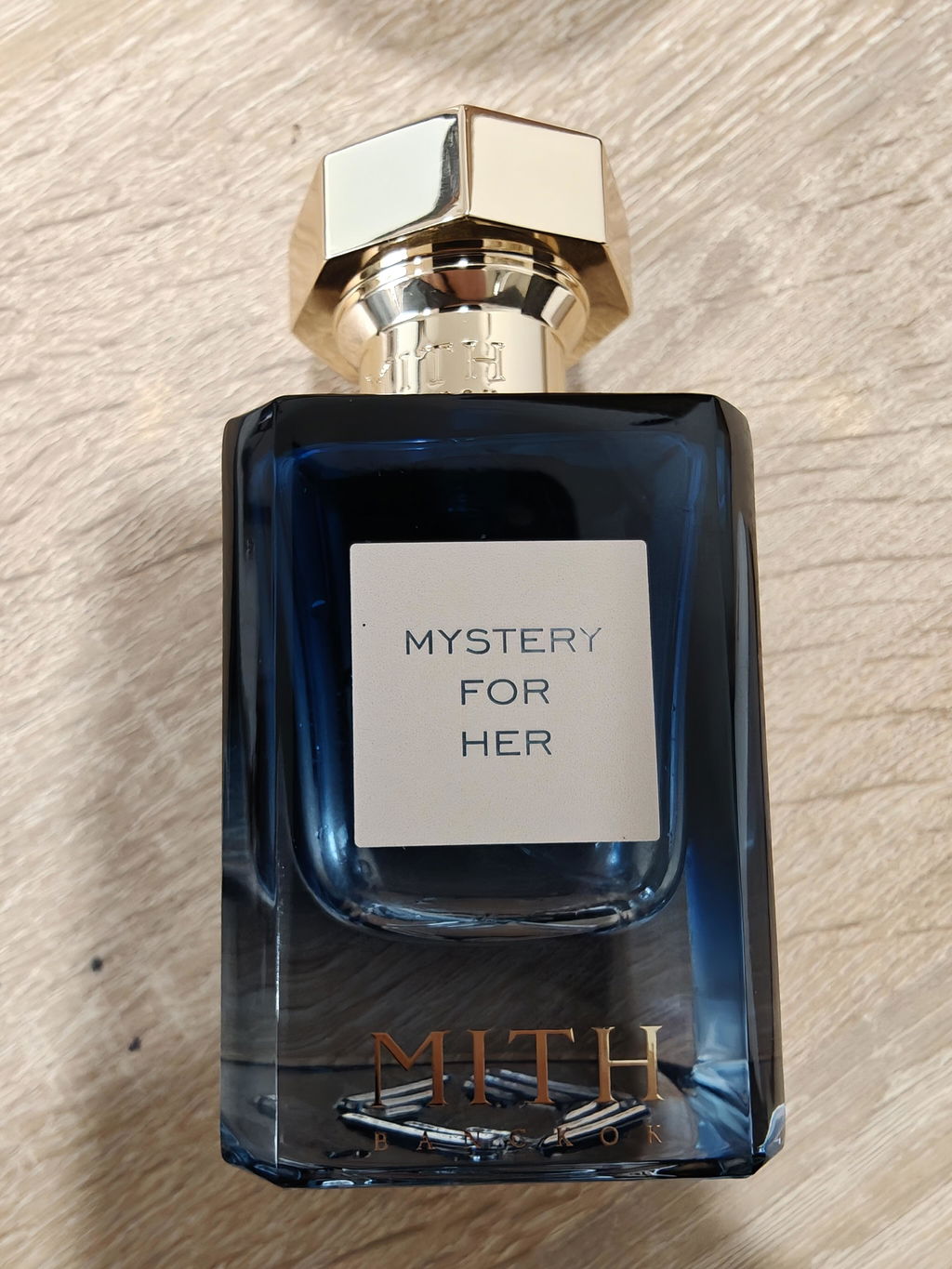
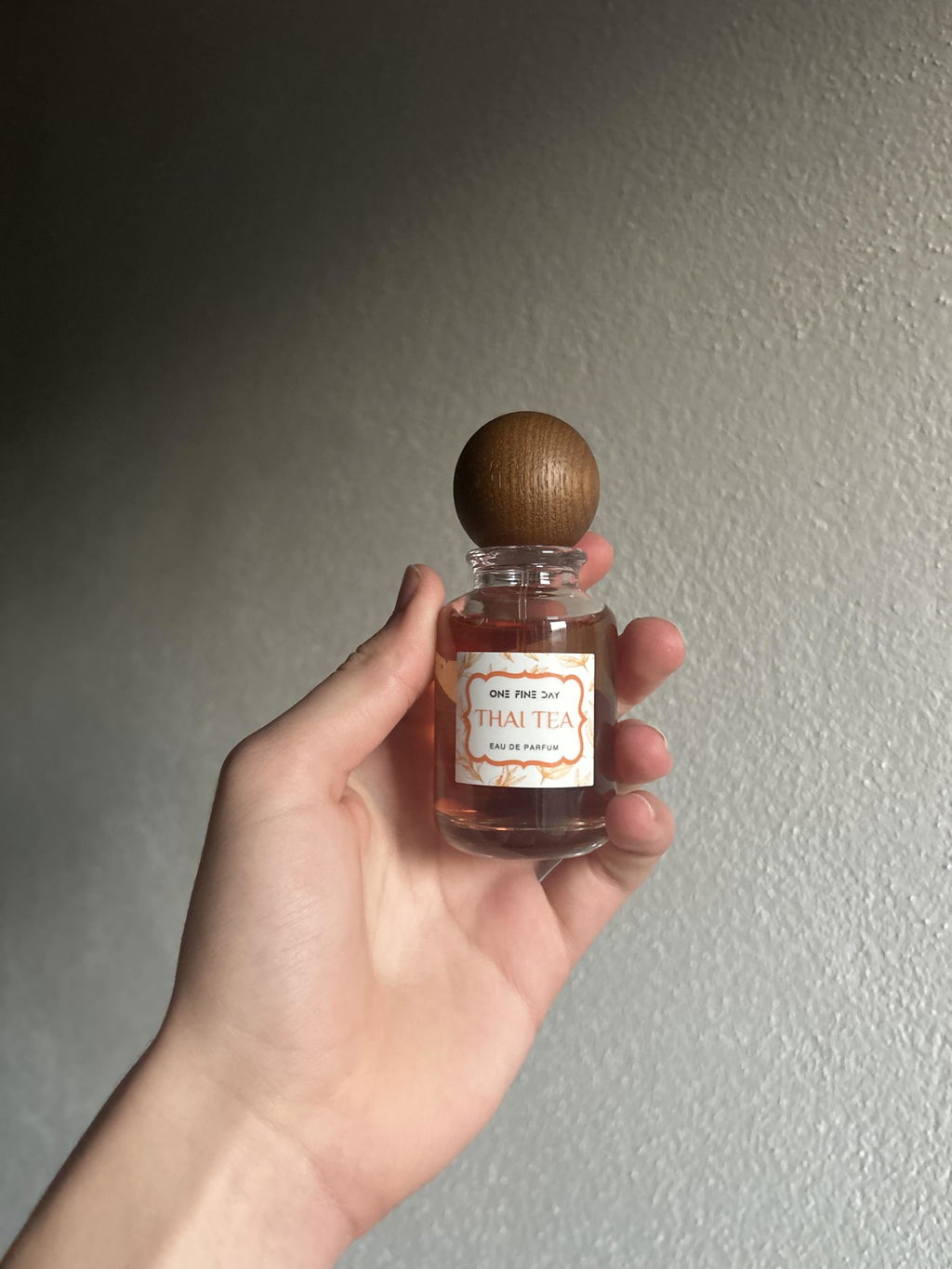
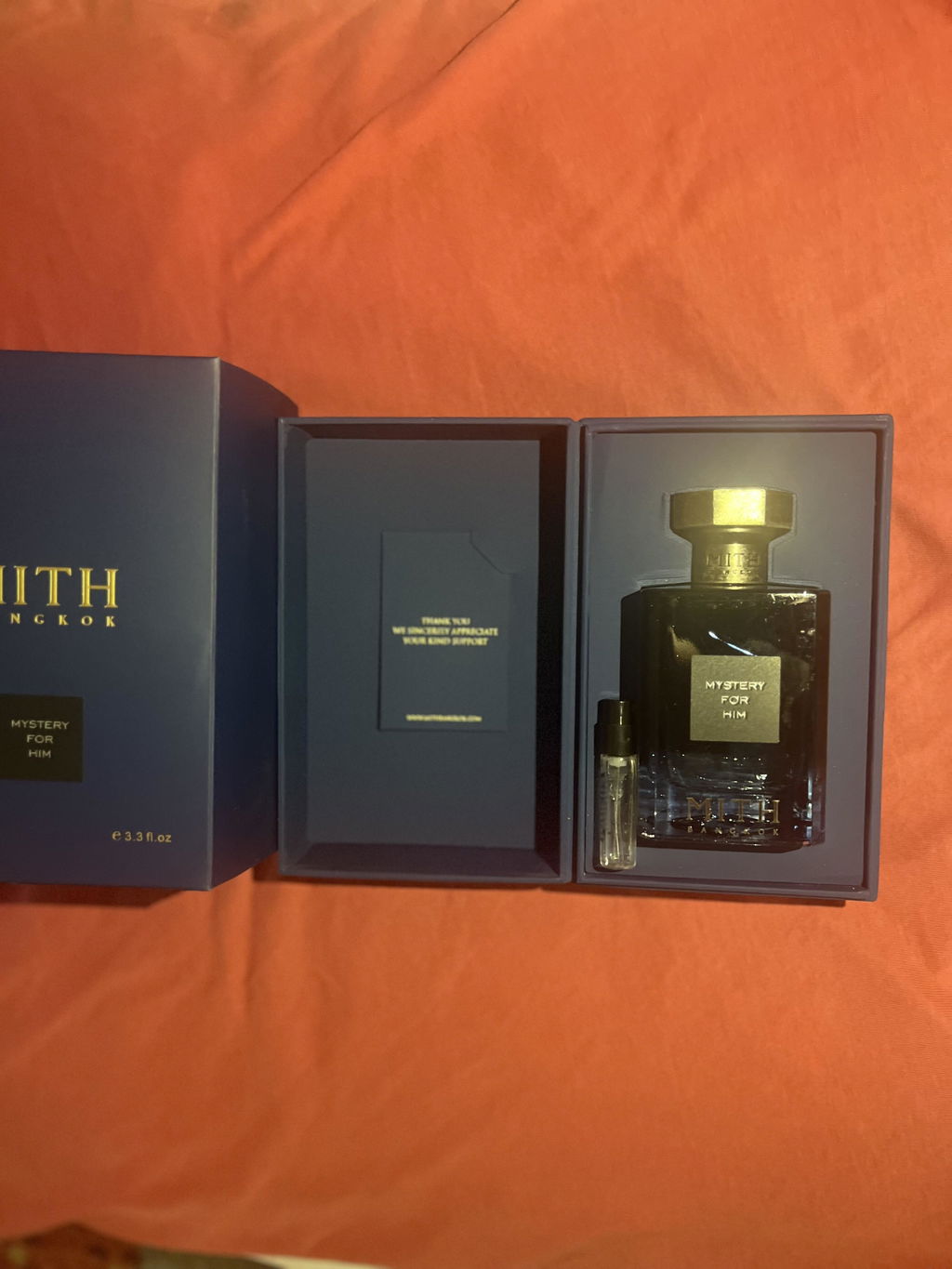
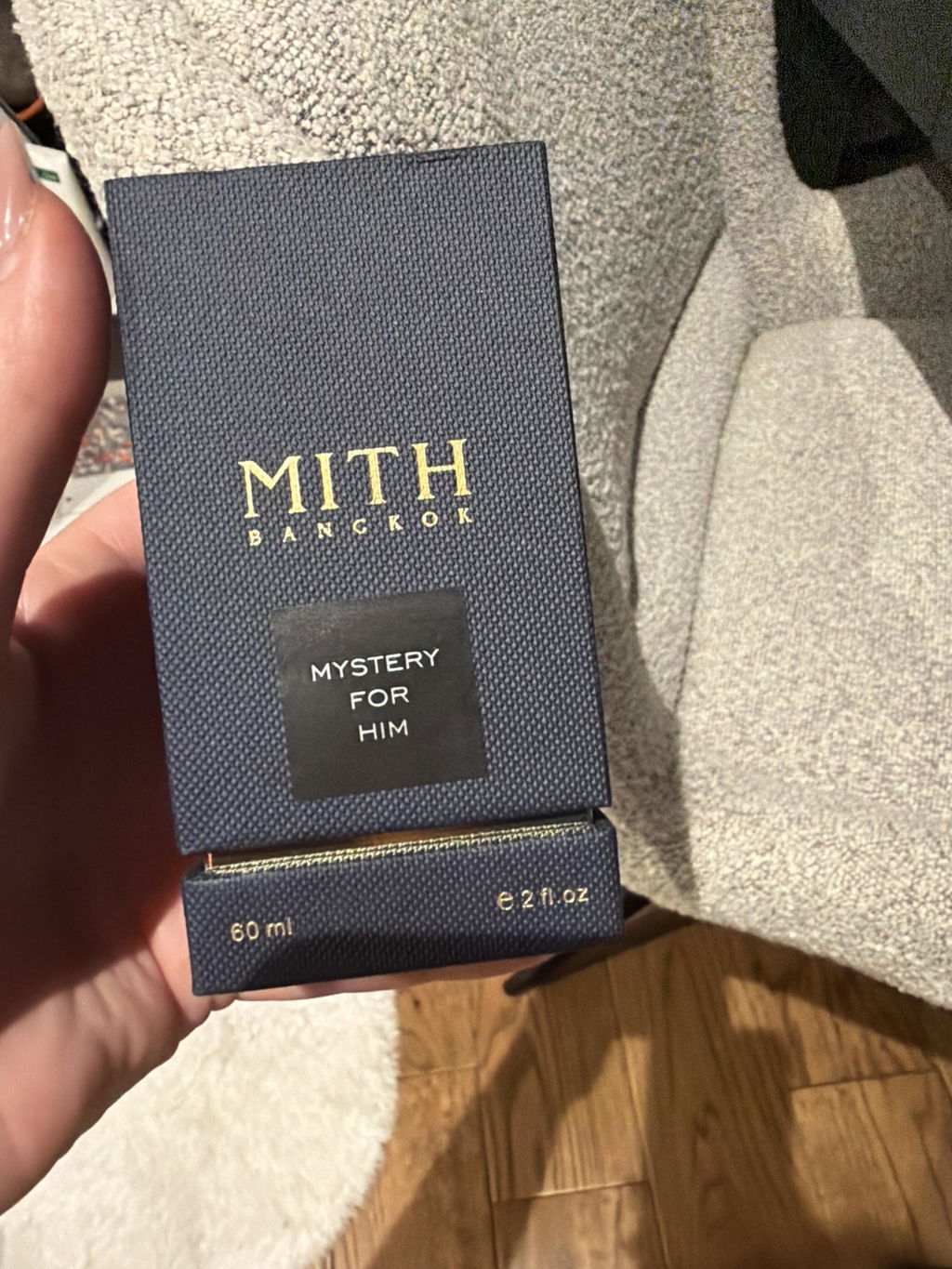
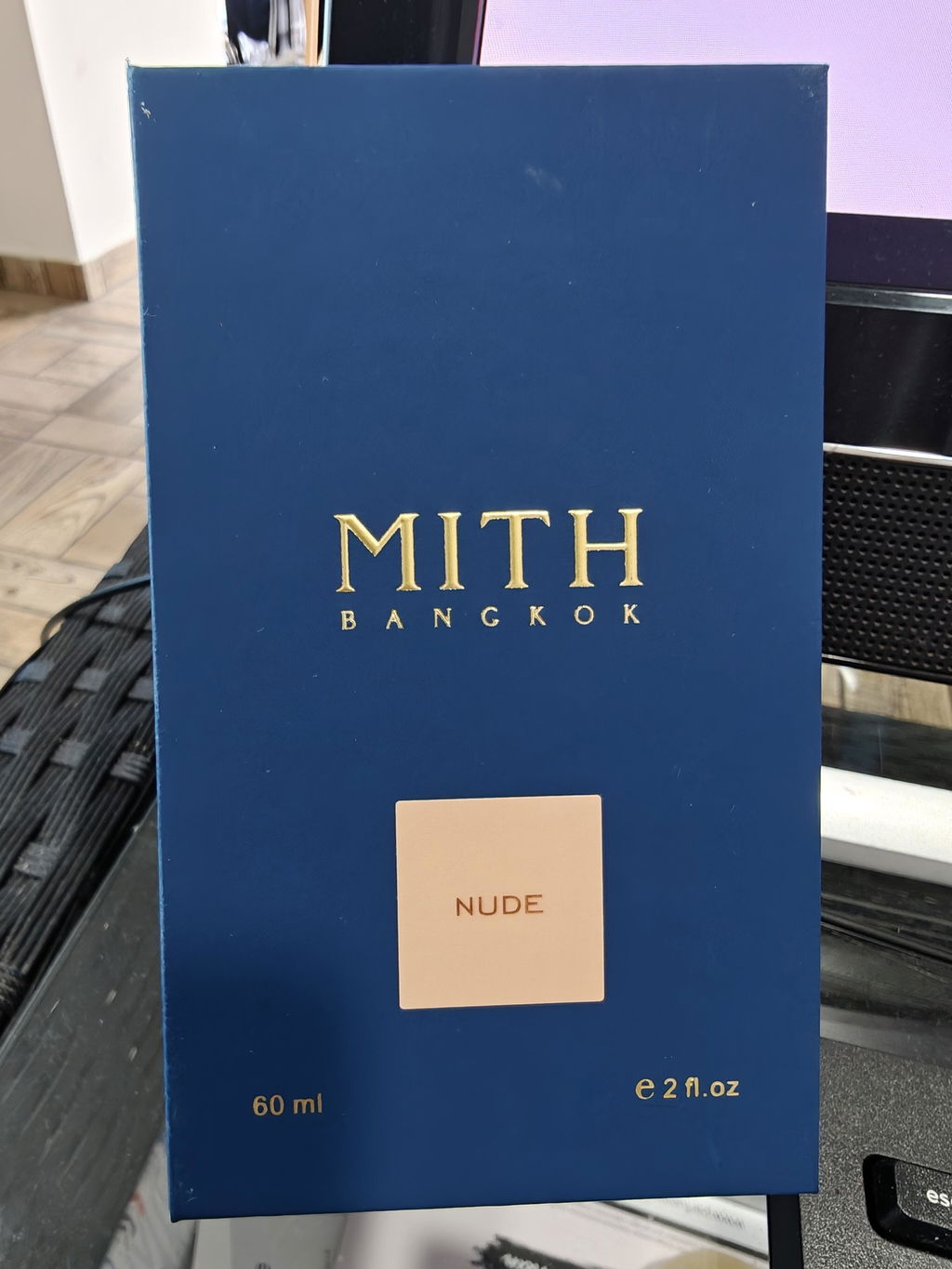
A perfume collection built around vice has an immediate advantage - it already knows how to hold attention. The 7 sins perfume collection is not trying to smell polite, generic or safely anonymous. It is designed to provoke a reaction, whether that comes through a darker resinous trail, a lush gourmand accord, or a composition that feels deliberately excessive on skin.
For fragrance lovers who have exhausted the usual designer counters, that matters. A themed collection only works when the concept is matched by real olfactory character. Otherwise, the story does all the work and the perfume is left trailing behind. The appeal here is that a sin-led collection invites contrast, tension and personality - three things niche buyers tend to value far more than simple prettiness.
Why the 7 sins perfume collection stands out
There is no shortage of perfumes marketed with drama. What makes the idea of the 7 sins perfume collection more compelling is its structure. Seven distinct identities give a fragrance house room to play with mood in a way that feels considered rather than random. Lust should not smell like envy. Pride should not move like sloth. When the collection is built properly, each scent becomes part of a larger wardrobe rather than a set of flanker-style variations.
That structure also makes shopping easier. Instead of asking whether a fragrance is simply floral, woody or sweet, you are invited to think in terms of character. Do you want something magnetic and skin-close, or something colder and more aloof? Are you dressing for seduction, confidence, appetite, restraint or spectacle? The best themed collections translate abstract ideas into wearable forms, which is exactly why they resonate with collectors and gift buyers alike.
There is also a visual and emotional advantage. Perfume buyers in the niche space are often drawn to bottles and collections that carry a point of view. A sin-based line has built-in iconography, and when that is paired with strong juice inside the bottle, it creates the sort of object people want to display as much as wear.
How to read a collection like this
The smartest way to approach a seven-part concept is not to ask which sin is "best". It depends on your style, your tolerance for intensity and the role perfume plays in your life. Some people want one signature that becomes part of their presence. Others want different fragrances for evenings out, gallery days, winter dinners or warm-weather weekends.
With a collection framed around the seven deadly sins, expect stronger storytelling than you would find in a conventional line-up. That usually means bolder notes, more theatrical naming and less interest in broad crowd-pleasing. For the right wearer, that is the whole point.
A useful lens is to think about texture. Certain sins naturally lean towards plush textures - syrupy fruits, amber, vanilla, balsams, creamy woods. Others may suit mineral notes, green sharpness, metallic facets or a dry smoky finish. Even before smelling, the concept tells you something about the likely emotional register of the perfume.
The likely scent moods behind each sin
Lust, gluttony and greed
These tend to sit in the richer end of a fragrance wardrobe. Lust often translates into narcotic florals, supple musks, warm spices or a sensual skin effect. It should feel close, persuasive and a little dangerous. Gluttony usually leans gourmand, though good perfumery keeps it from becoming childish. Think roasted sweetness, liquor-like depth, chocolate, caramel, dried fruits or a dense edible warmth with adult polish.
Greed is more nuanced. It can move in a glossy, luxurious direction - saffron, oud, amber, polished woods, leather or notes that suggest wealth and accumulation. It should feel expensive in mood, not merely loud. If overdone, greed can smell cluttered. When handled well, it projects opulence with control.
Pride, envy and wrath
Pride often suits stately compositions. Iris, incense, dry woods, aromatic facets and elegant florals can all work here, especially when the effect is poised rather than flashy. Pride should not beg for approval. It should arrive already convinced.
Envy can be interpreted in several ways, which makes it one of the more interesting profiles in a collection. Some houses might render it green, cool and cutting - galbanum, crushed stems, bitter citrus, sharp herbs. Others may make it sleek and covetous, with polished fruits or clean musks that feel immaculate and slightly distant.
Wrath usually invites heat, smoke, spice and force. Pepper, leather, incense, charred woods and animalic undertones fit naturally. Yet wrath does not always have to be abrasive. Sometimes the more refined interpretation is the stronger one - tension held under a tailored surface.
Sloth
Sloth is often the wild card. It could be soft, musky, powdery and cocooning, with lavender, tonka, cashmere woods or milky notes that suggest idleness and pleasure. Equally, it might be hazy and narcotic, as though time has softened at the edges. This is one of those cases where the concept can become unexpectedly chic if the perfumer resists making it too literal.
Wearability versus concept
A common concern with heavily themed fragrance collections is whether the perfumes are genuinely wearable or simply clever on paper. That is a fair question. In niche perfumery, concept can sometimes outrun comfort.
The best 7 sins perfume collection balances both. You want enough character to justify the idea, but not so much theatricality that the scent becomes difficult to live with. A wrath fragrance, for example, can be bold without turning abrasive in an office. A gluttony scent can be indulgent without collapsing into sugar. The difference lies in proportion, transitions and quality of materials.
This is where skin chemistry matters. A gourmand that feels luxurious on one person may turn sticky on another. A leather-amber built around greed may seem commanding on cool skin and overwhelming on warmer skin. If you tend to prefer transparent compositions, some sins may feel naturally more wearable than others. That is not a flaw in the collection. It simply means the wardrobe is doing its job.
Who this collection will appeal to
This type of collection speaks most clearly to fragrance buyers who enjoy identity in their scent choices. If your preference is for clean, quiet perfumes that disappear into the background, you may find certain entries too stylised. But if you like perfume as an accessory with narrative force, the collection has obvious appeal.
It is also strong gift territory. The symbolism makes selection feel personal, and the theme gives the gift a sense of occasion. You are not just giving a bottle. You are choosing a mood, a role, a little bit of theatre. For partners, close friends and fragrance-aware recipients, that can feel far more interesting than a generic bestseller.
Collectors will appreciate the built-in contrast. A seven-part wardrobe offers range without losing coherence, which is rarer than it sounds. Many houses release multiple perfumes that smell loosely adjacent. A well-executed sins collection should offer distinct personalities while still feeling part of one artistic world.
How to choose within the 7 sins perfume collection
Start with how you want to be perceived, not just which notes you usually wear. If you want polish and authority, pride may make more sense than your standard floral comfort zone. If you enjoy sweetness but want something more intriguing for evening, gluttony or lust might offer a better fit than a straightforward vanilla.
Then think about season and setting. Richer sins often thrive in cooler weather, at dinner, after dark or during festive periods. Sharper, greener or more aromatic interpretations may be easier for daytime wear and transitional months. There is no fixed rule, but temperature changes how a perfume behaves, and concept-heavy scents tend to show that more dramatically.
If you are building a small but distinctive wardrobe, choose one scent that feels instinctive and another that stretches you slightly. That is often where a collection like this becomes rewarding. It gives you permission to wear different versions of yourself.
For shoppers looking for a curated route into more characterful perfumery, Villenel Fragrances reflects this kind of collection-led discovery with a clear point of view rather than a mass-market sprawl.
The real appeal of sin-themed perfumery
At its best, the idea is not gimmick but shorthand for desire, excess and self-styling. Perfume has always been tied to fantasy. A collection built around sin simply admits that more openly than most. It recognises that fragrance is rarely only about smelling pleasant. It is also about appetite, mood, image and the pleasure of choosing something with edge.
That is why the 7 sins perfume collection feels relevant to a modern niche audience. It offers more than notes on a card. It offers attitude. And in a market crowded with forgettable launches, that still counts for quite a lot.
The right bottle will not make you virtuous, and thankfully that is not the point. It should make getting dressed feel a little more intentional, a little more expressive, and far less predictable.