A £35 fragrance and a £185 fragrance can both smell beautiful on first spray. The difference usually reveals itself later - in the materials, the construction, the brand philosophy, and the sheer amount of intention built into the bottle. If you have ever asked why are niche perfumes expensive, the answer is not simply prestige. It is a mix of formulation choices, production scale, creative freedom and the economics of staying selective.
Niche perfumery sits in a different part of the market from mainstream designer fragrance. It is not always better by default, and it is certainly not expensive for one single reason. But when a scent is made with a distinct point of view, smaller volumes and a more exacting approach to raw materials, the final price often reflects that.
Why are niche perfumes expensive in the first place?
The shortest answer is that niche brands tend to make fewer compromises. They usually produce in smaller quantities, rely on more specialised sourcing, invest in a stronger creative identity and sell through narrower channels. All of that raises the cost per bottle.
A large designer fragrance house can spread development, marketing and production costs across huge global volumes. A niche house often cannot. If a brand makes only a modest run of a fragrance, every decision - from the concentrate to the cap - carries more weight financially. Small-scale production sounds romantic, and often it is, but it is rarely cheap.
There is also the question of intent. Mainstream launches are often shaped around broad appeal. Niche launches are more likely to prioritise character, atmosphere and memorability, even if that means a composition is less instantly familiar. That kind of creative freedom can produce remarkable perfume, but it can also mean using ingredients and structures that cost more to formulate.
The formula itself often costs more
One of the clearest reasons why niche perfumes are expensive is the juice inside the bottle. Higher-quality naturals, more refined aroma chemicals, denser accords and a more generous concentration can all increase cost.
That does not mean every expensive perfume is packed with rare ingredients, or that every affordable perfume uses poor ones. Perfumery is more nuanced than that. Some inexpensive materials are brilliant, and some costly naturals can be difficult or unstable. Still, niche brands are often more willing to spend on a formula that serves the artistic brief rather than a target retail price.
Think of oud, iris, saffron, jasmine sambac, sandalwood facets or finely textured musks. Even when these notes are reconstructed rather than used in lavish natural amounts, achieving a polished, dimensional effect takes expertise and budget. A fragrance that feels airy, smooth and persistent may be the result of a very considered formula, not just a pretty label.
Concentration matters too, although it should never be treated as the only marker of value. Extrait, eau de parfum and other strength labels can influence cost, but the real issue is balance. A well-built niche fragrance may use materials in a way that gives more depth, evolution and texture on skin. That level of finish is expensive to develop.
Small batches change the economics
Scale is one of the least glamorous reasons behind the price, but it is one of the most important. Mass-market perfume benefits from industrial efficiency. Niche perfume usually does not.
When production runs are smaller, the cost of manufacturing each bottle rises. Bottles, atomisers, labels, cartons and assembly all become more expensive when ordered in limited quantities. Warehousing and forecasting are also trickier. A smaller brand cannot absorb mistakes, overstock or reformulation costs as easily as a global beauty conglomerate.
This matters even more for independent and emerging houses. Many niche brands are not backed by enormous parent companies. They may be funding development carefully, choosing slower growth over mass distribution, and protecting quality rather than chasing volume. For the customer, that often translates into a fragrance that feels more distinctive. For the brand, it means a tighter margin and a higher shelf price.
Packaging is part of the experience
Niche perfume buyers are not only paying for scent. They are often paying for presentation, brand world and the tactile pleasure of ownership.
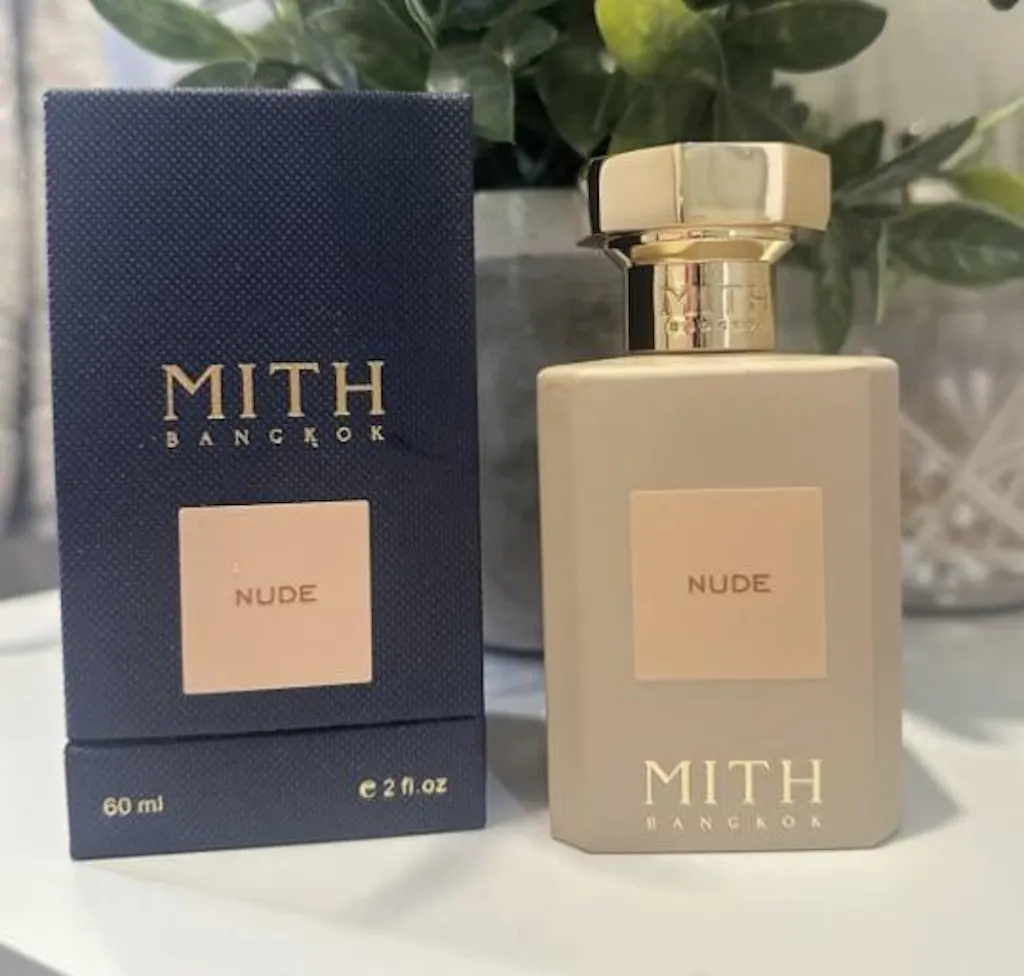
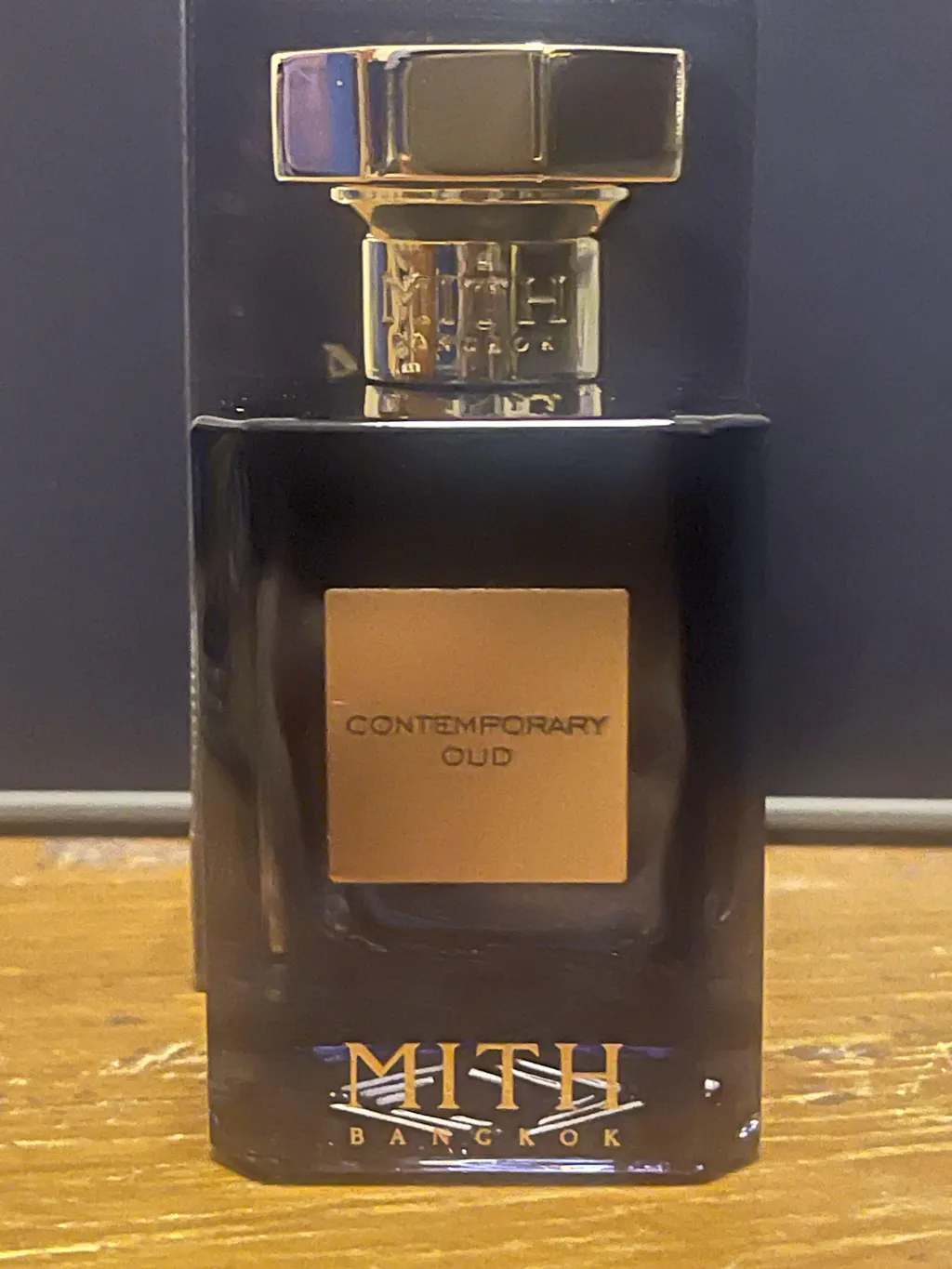
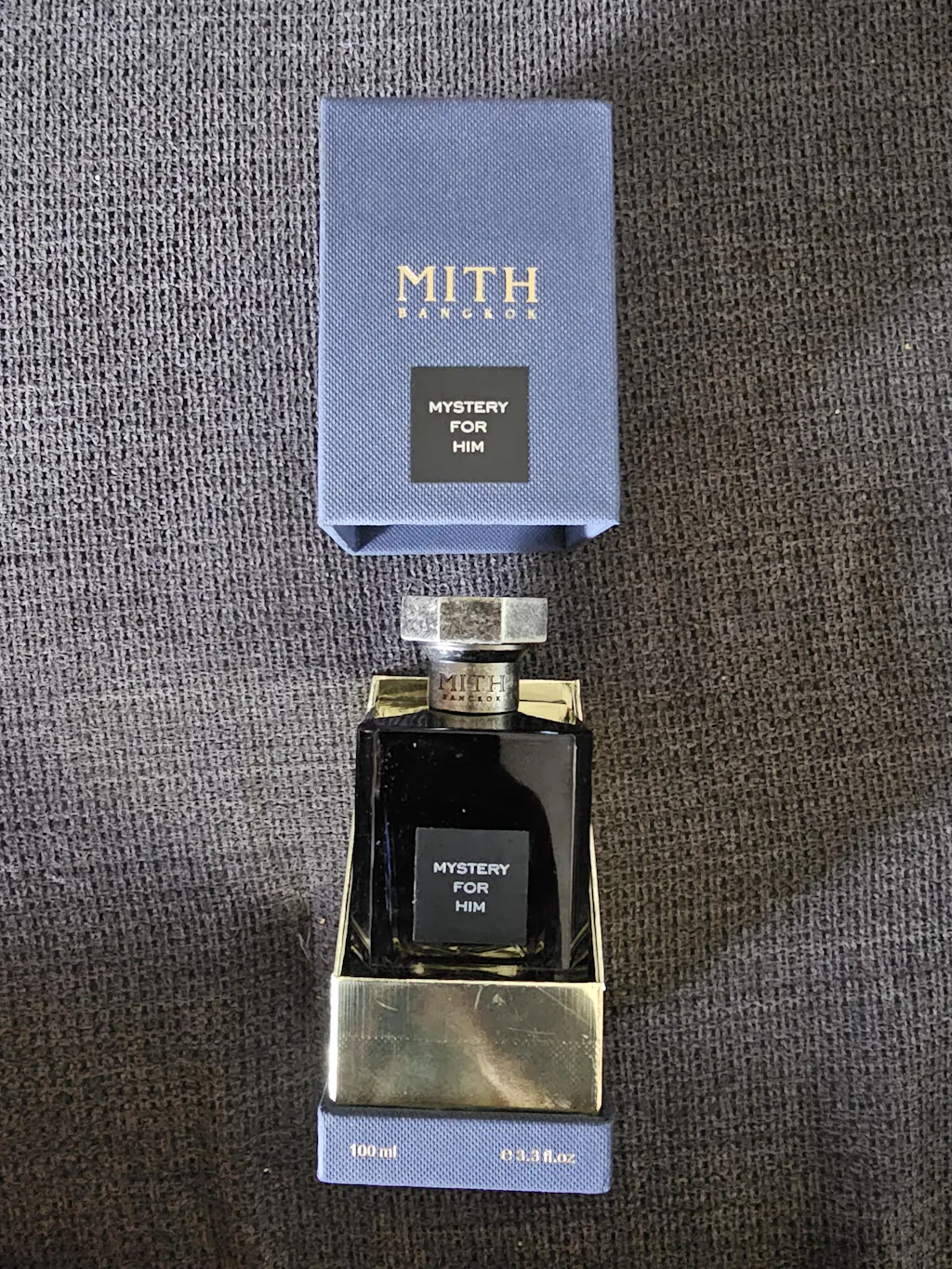
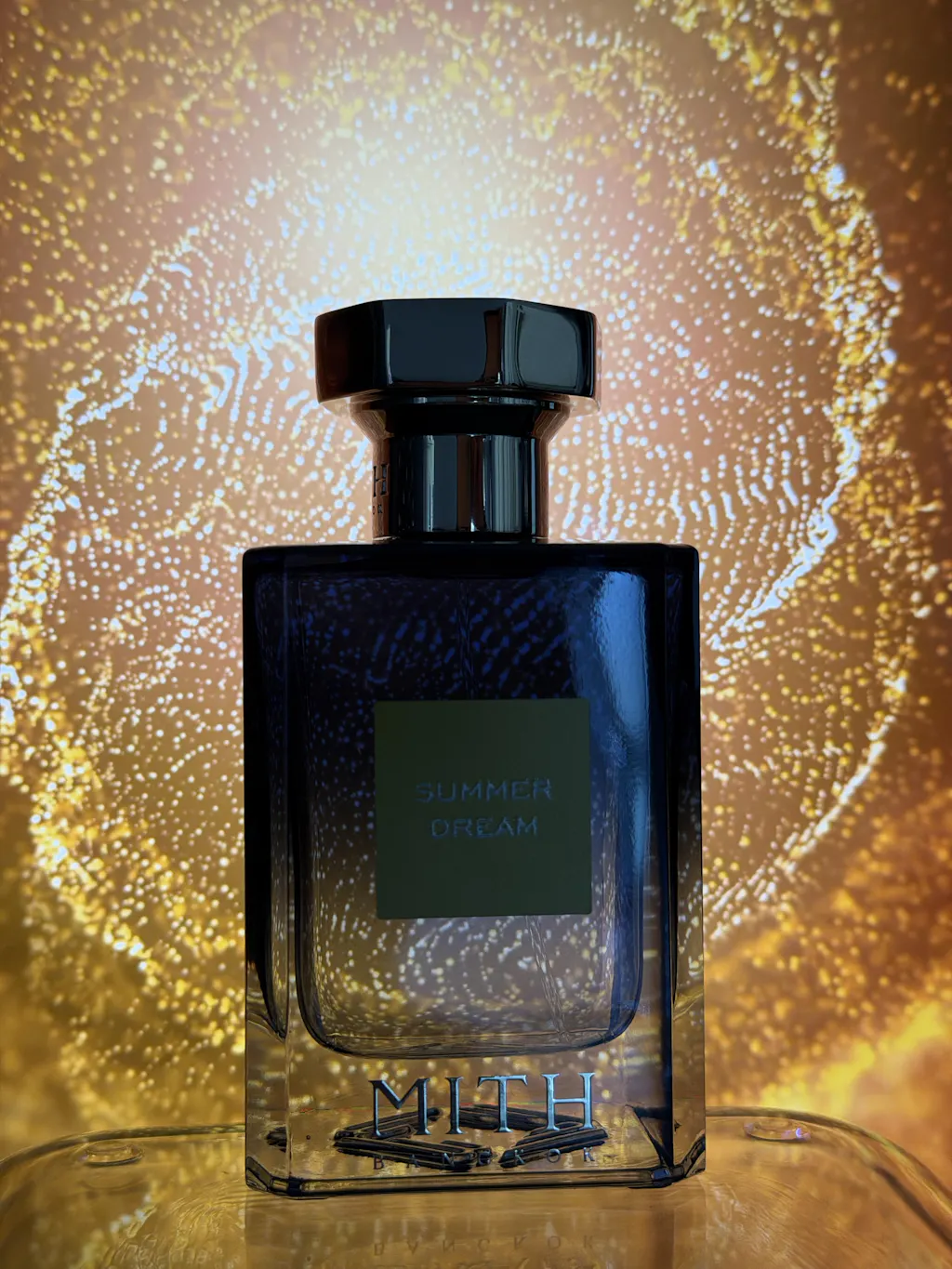
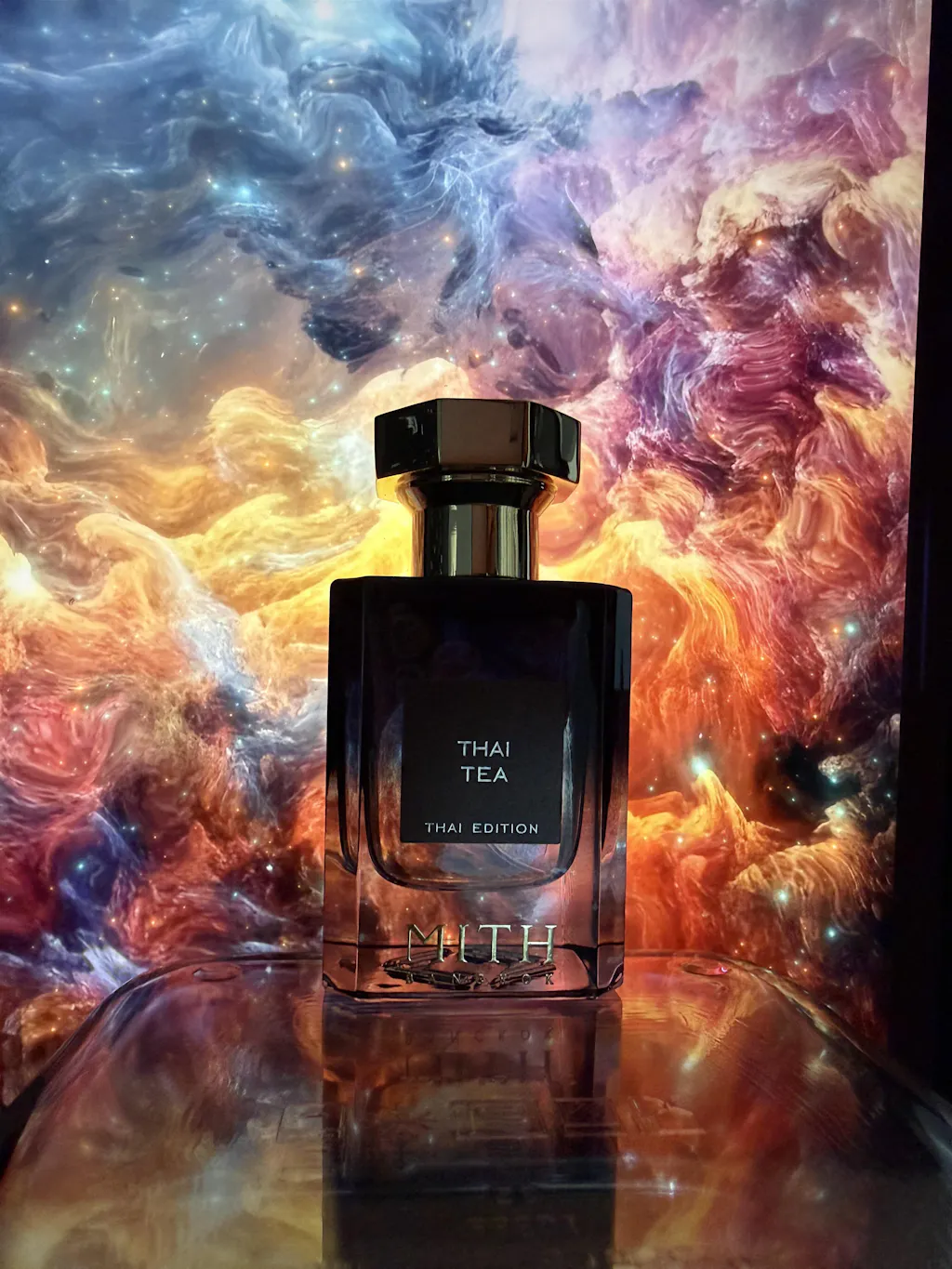
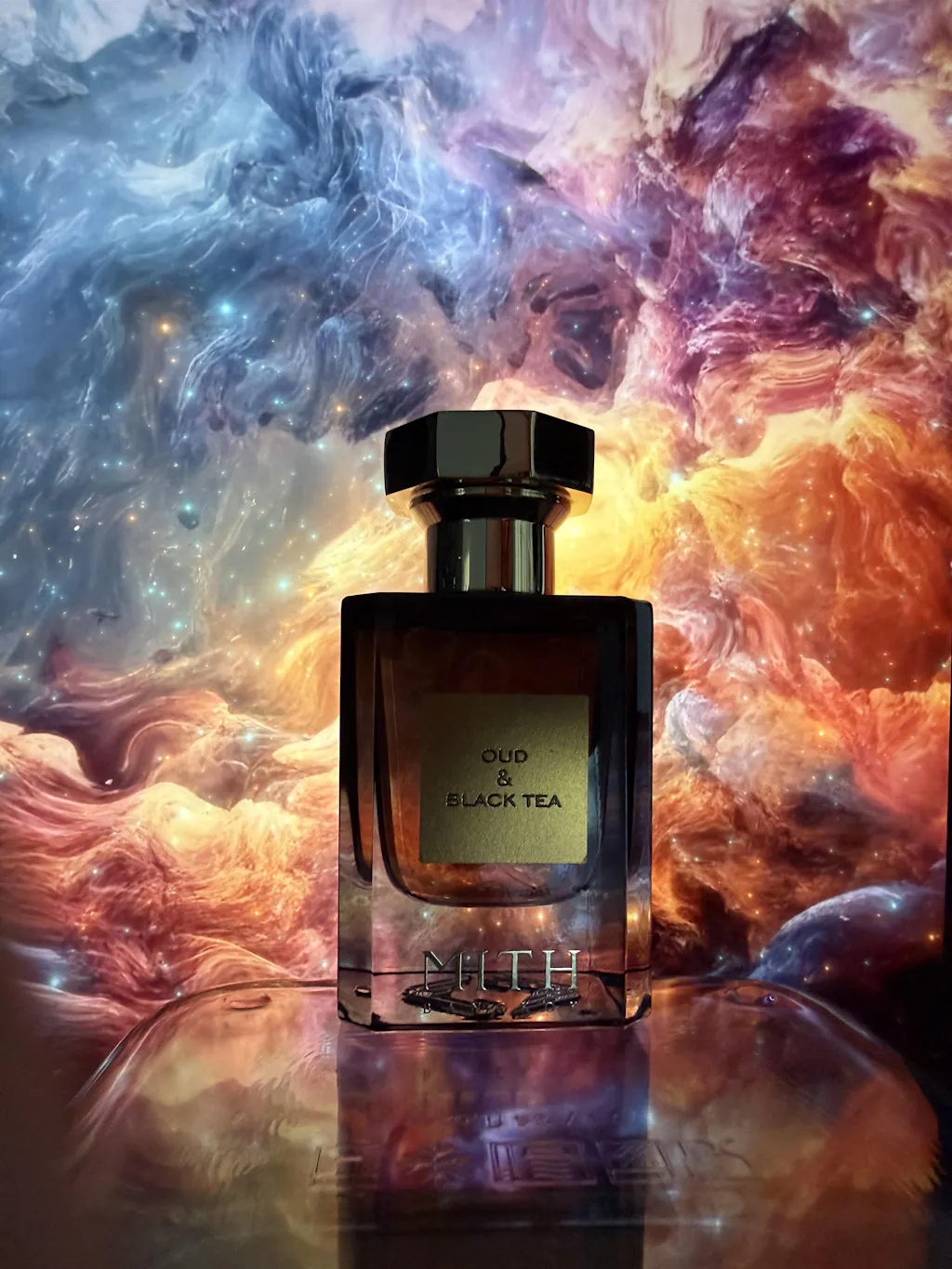
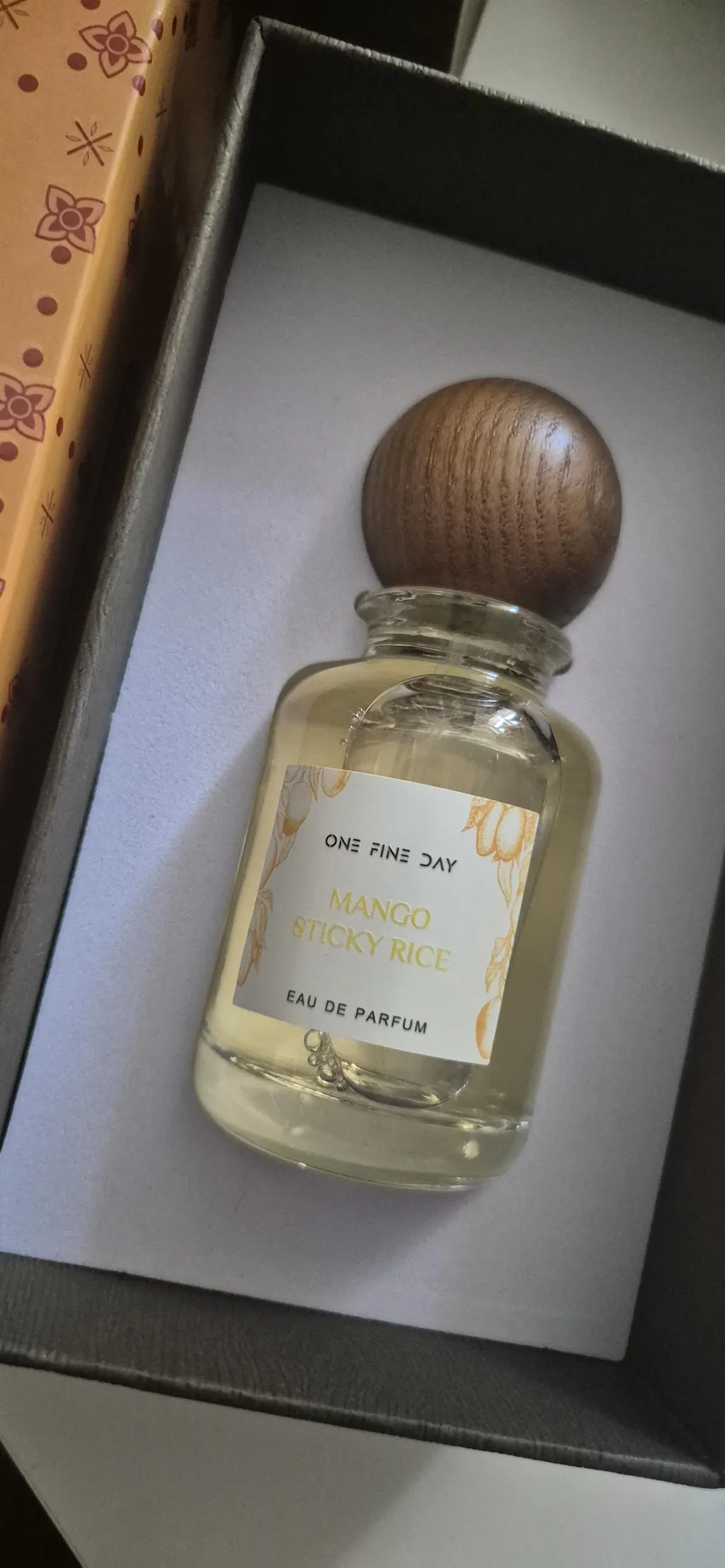
Heavier glass, sculpted caps, textured cartons, magnetic closures and refined bottle design all cost money. In niche perfumery, packaging is not always decorative excess. Sometimes it is part of the storytelling. A fragrance house with a strong aesthetic identity tends to treat the bottle as an extension of the composition.
Of course, there is a trade-off here. Some brands overspend on presentation and underdeliver on the scent itself. Others keep the bottle simple and put more of the budget into the formula. Price alone will not tell you which balance a brand has chosen. That is why niche perfume is best approached with curiosity rather than assumption.
Distribution is narrower, and that affects price
If a perfume is available in every department store, airport and chemist, it can move at scale. Niche fragrance usually takes the opposite route. It is sold through selected boutiques, specialist platforms and tightly managed retail partners.
Selective distribution helps preserve a brand's identity. It also creates friction in the supply chain. Importing, compliance, storage, sampling and customer education all cost more when the brand is not moving huge volumes. For fragrance lovers in Europe, access to emerging houses from outside the region can be especially limited, which makes trusted retail curation more valuable than it might appear at first glance.
That is one reason niche perfumery often feels more expensive before you even smell it. You are paying not just for a product, but for access, editing and a more specialised retail environment. When a store brings in less widely distributed brands and presents them properly, part of the price supports that curatorial work.
You are often paying for a stronger point of view
Mainstream perfume aims to please many people. Niche perfume often aims to say something specific.
That difference is easy to underestimate. A scent built around smoked tea, lacquered woods, green mango, temple florals or salted skin may never become a universal bestseller. But it might become someone's signature because it feels singular. Niche houses trade on that emotional precision.
Creative risk has a cost. Perfumers working with niche brands may be given more room to pursue an unusual idea, a cultural reference or a more textured composition. The result can be more polarising, but also more memorable. For customers who are bored of the familiar sweet-woody template, that originality is part of the value.
This is especially true for fragrance lovers seeking brands with a distinct regional voice. Modern Thai perfumery, for example, has brought a fresh and visually sophisticated energy to the niche space, pairing contemporary aesthetics with compositions that feel vivid, transportive and less predictable than standard designer releases. That kind of discovery is rarely built for the mass market.
Expensive does not always mean better
This is where the conversation becomes more honest. Not every niche fragrance justifies its price, and not every designer fragrance is ordinary. Some expensive perfumes are priced high because of branding, scarcity or trend positioning rather than exceptional composition.
Skin chemistry matters. Taste matters. Wearability matters. A brilliantly made niche fragrance may still not suit your style, climate or routine. Equally, an accessible perfume can be beautifully composed and deeply satisfying. The smarter question is not whether niche is always worth more, but what you personally value in fragrance.
If you care about individuality, unusual scent structures, artistic storytelling and smaller distribution, the premium can make sense. If you mainly want easy wear, compliments and strong value per millilitre, some niche bottles may feel overpriced. Both views are valid.
How to tell if the price feels justified
Look beyond the headline price and pay attention to what the perfume actually offers. Does it smell distinctive, or simply expensive? Is there development on skin, texture in the blend, and clarity in the concept? Does the brand seem to stand for something coherent, or is it relying on luxury codes alone?
Sampling remains the most elegant way to judge value. A perfume can be technically impressive and still not earn a place in your wardrobe. The right niche fragrance should feel like more than a status purchase. It should feel considered, characterful and worth returning to.
That is often the real answer to why are niche perfumes expensive. You are not just buying scent oil, alcohol and glass. You are buying edit, authorship, scarcity, design and the confidence of wearing something with a more individual signature.
The best niche perfumes justify their price quietly. They do it when the opening catches attention, when the heart unfolds with detail, and when hours later the dry-down still feels like it belongs only to you.