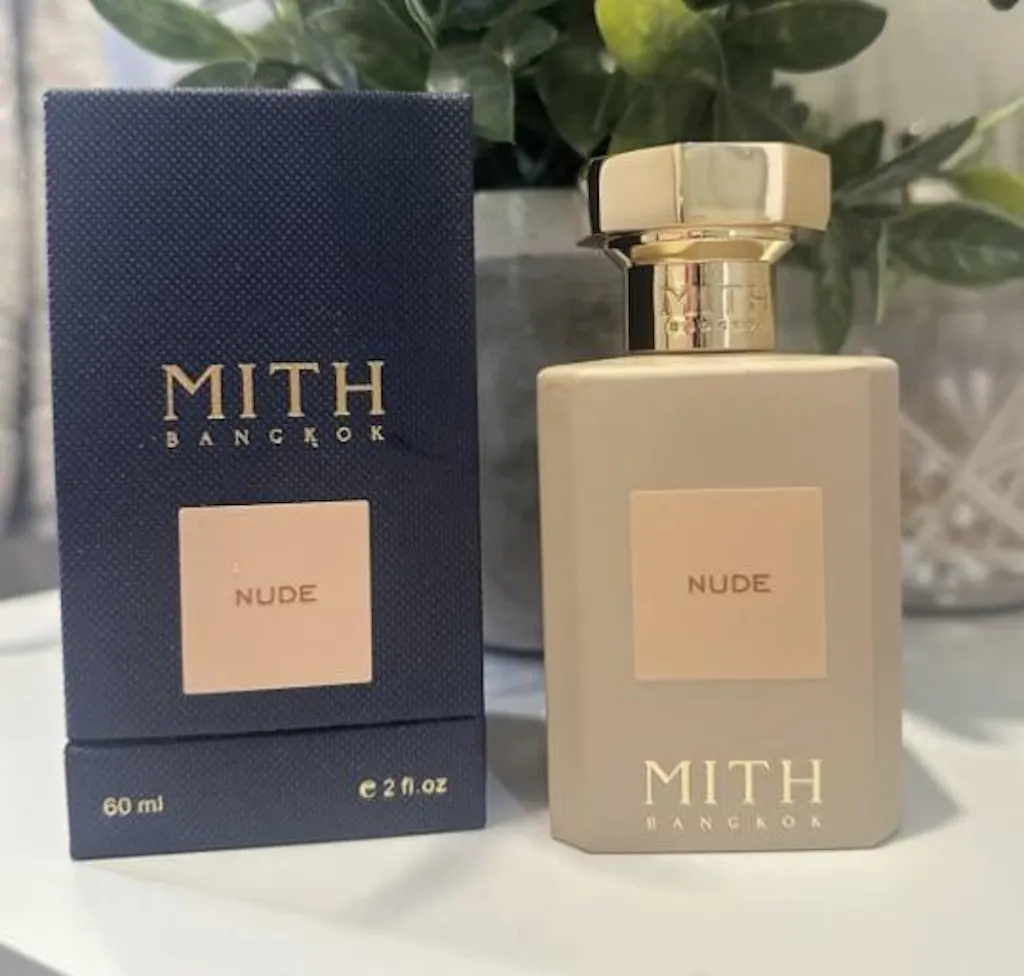
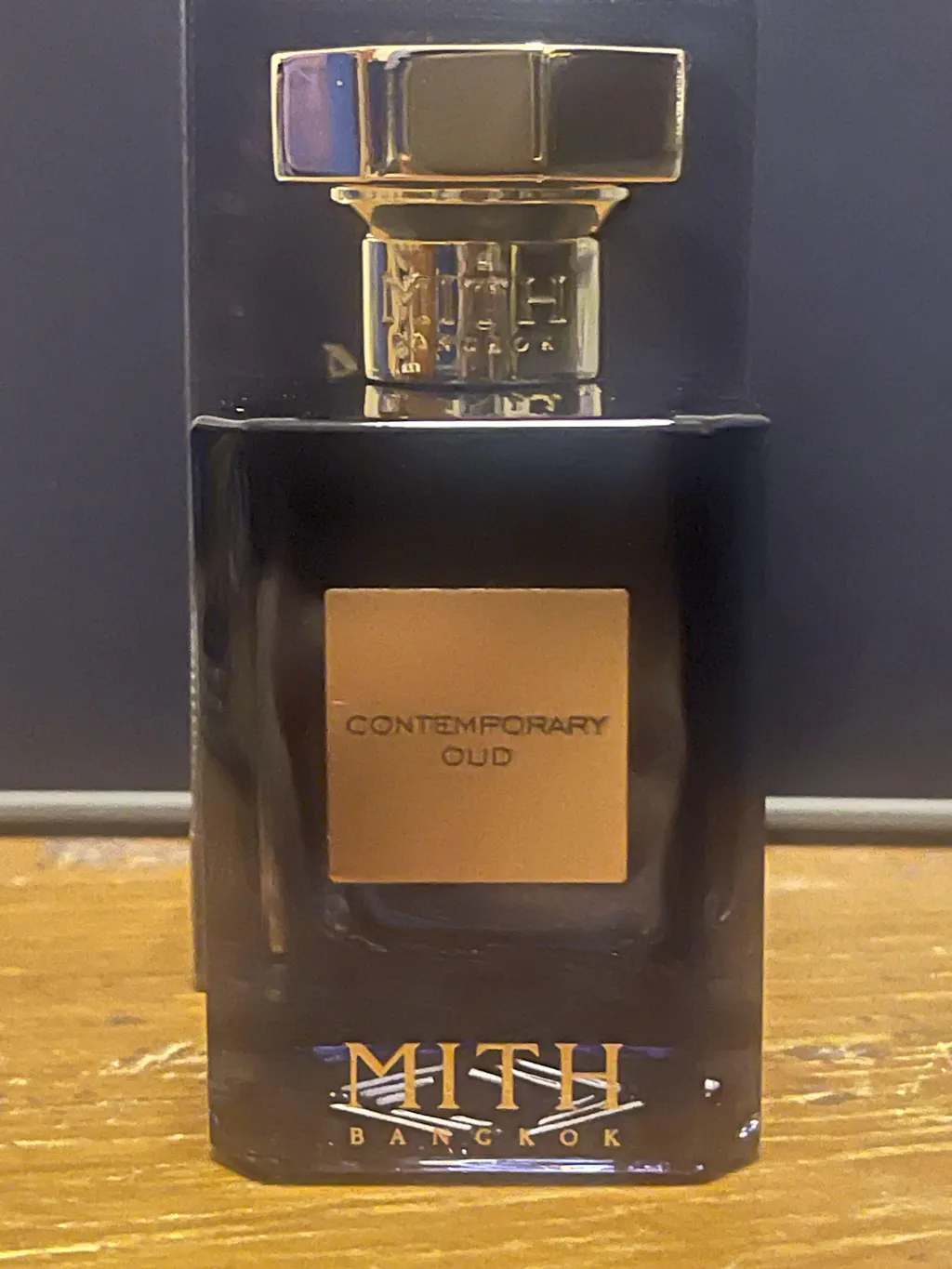
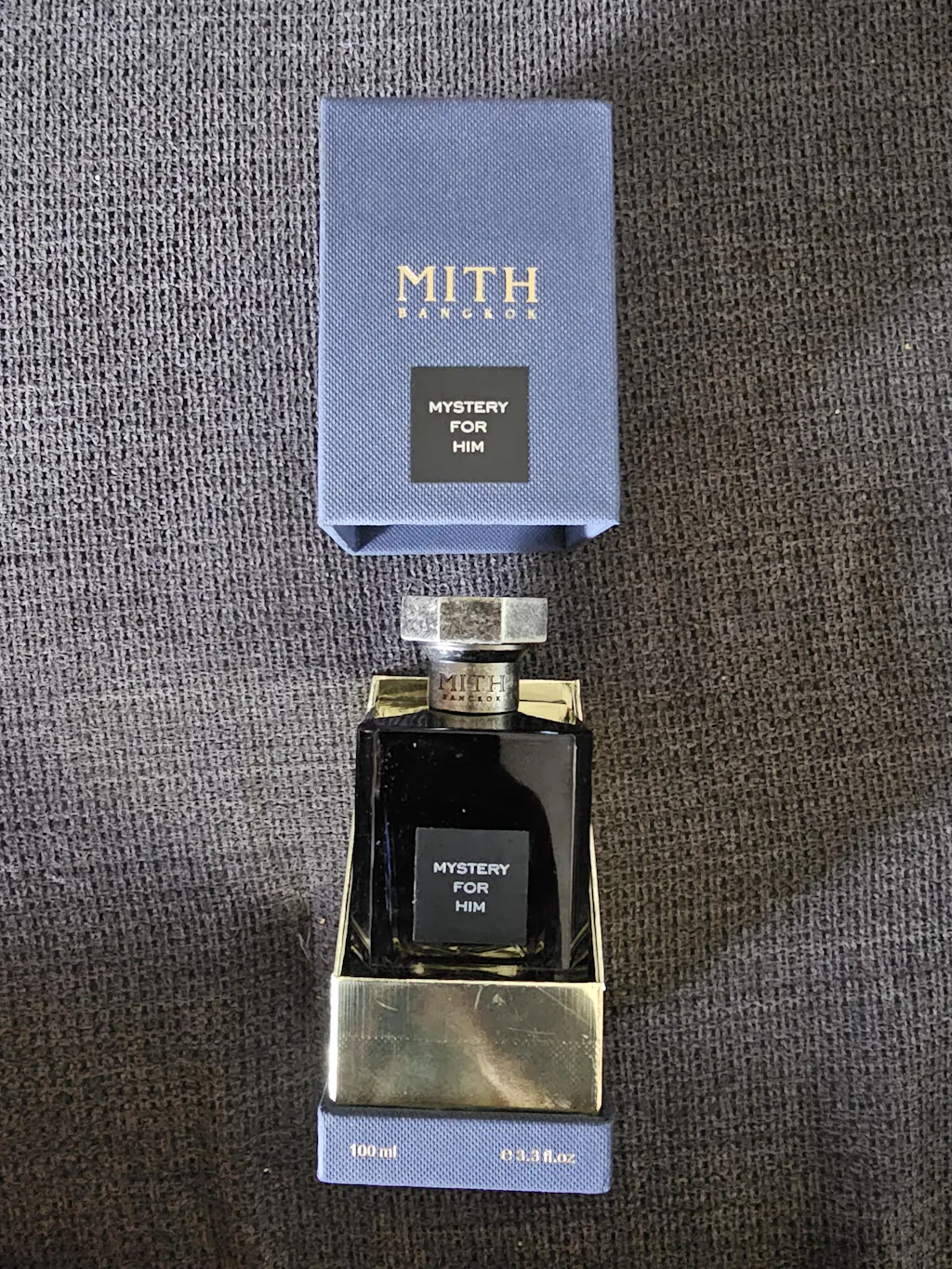
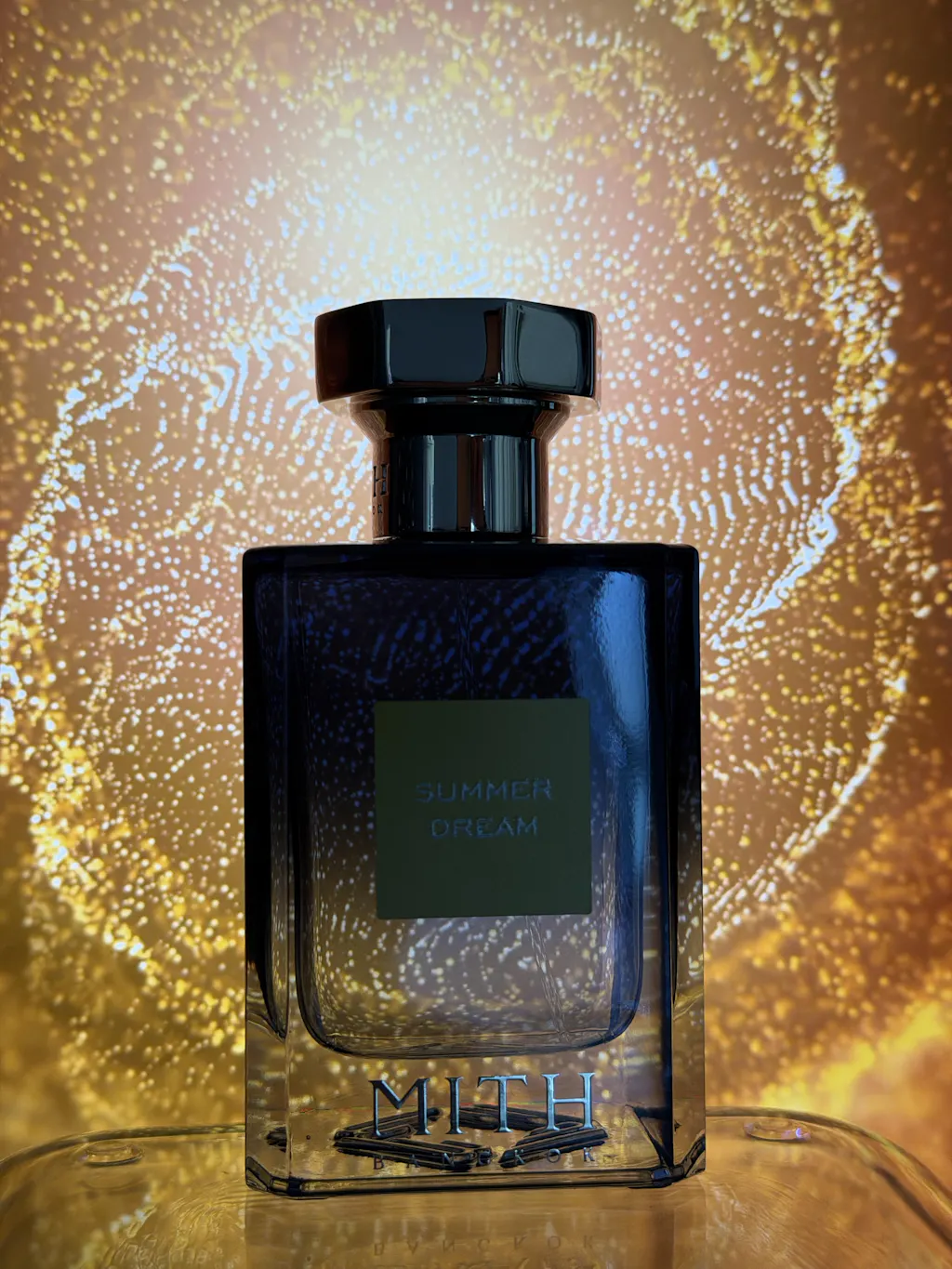
You spray a fragrance on your wrist in the morning, catch a beautiful trail at lunch, and by late afternoon it is barely there. Another scent stays on a coat collar for days. The difference is not only the formula, the ingredients, or your skin - this guide to perfume concentration levels explains why some perfumes whisper, some project, and some linger with quiet authority.
For anyone building a more considered fragrance wardrobe, concentration matters because it shapes far more than longevity. It affects how a scent opens, how closely it sits to the skin, how generously you apply it, and whether it feels right for a summer commute, a gallery opening, or a candlelit dinner. The label on the bottle is not a guarantee of quality, but it is a useful clue.
What perfume concentration levels actually mean
Perfume concentration refers to the percentage of aromatic compounds diluted into alcohol, water, or an oil base. In simple terms, the higher the concentration, the more fragrance material is present in the formula.
That sounds straightforward, but the reality is more nuanced. A higher concentration often means stronger longevity, yet it does not always mean louder projection. Some parfums wear close and intimate, while a bright eau de parfum can fill a room. Concentration influences performance, but composition matters just as much. Citrus notes evaporate quickly. Woods, resins, amber, musk and oud usually hold on for longer.
This is why two fragrances with the same label can behave very differently. One eau de parfum may last six hours, another twelve. One eau de toilette may feel sheer and airy, another crisp and surprisingly tenacious. Concentration is a framework, not a rigid rule.
A guide to perfume concentration levels by category
Eau de Cologne
Eau de Cologne usually sits at the lightest end of the traditional concentration scale, often around 2 to 5 percent fragrance oil. It is fresh, brisk and easy to wear, with a profile that often leans citrus, aromatic or herbal.
Expect a short wear time, usually around two to three hours, though this can vary. Cologne works well when you want refreshment rather than endurance - after a shower, in hot weather, or when you prefer a scent that never dominates the room. The trade-off is obvious: freshness comes with brevity.
Eau de Toilette
Eau de Toilette generally falls around 5 to 15 percent concentration. This is where many people find an ideal balance between clarity and presence. It often gives a vivid top note experience, so sparkling bergamot, green facets and peppery spices can feel especially lively.
On skin, eau de toilette commonly lasts around three to six hours. It suits daytime wear beautifully and is often easier to reapply without becoming too dense. If you enjoy a fragrance that feels polished but not heavy, this category is worth serious attention.
Eau de Parfum
Eau de Parfum typically ranges from 15 to 20 percent, though some formulas go higher. This is one of the most popular modern formats because it usually offers stronger staying power while preserving detail and lift.
Many niche houses favour eau de parfum because it gives perfumers room to create texture and depth without making the scent overly saturated. Wear time often sits between six and eight hours, sometimes longer. For many fragrance collectors, this is the most versatile concentration - substantial enough for evenings, wearable enough for daily use.
Parfum or Extrait de Parfum
Parfum, also called extrait de parfum, usually sits above 20 percent concentration and can go significantly higher. These formulas often feel richer, smoother and more enveloping, with less alcohol sharpness in the opening.
They tend to last the longest, often eight hours or more, sometimes much longer on fabric. Yet they are not automatically the boldest option. A parfum can be plush and discreet, unfolding slowly and staying close to the skin. This makes it especially appealing if you enjoy intimacy and detail over obvious projection.
Other concentration terms
Modern fragrance does not always follow the old hierarchy neatly. You may see labels such as intense, extreme, elixir or absolu. These names can suggest a deeper or more concentrated interpretation, but they are not standardised categories.
Sometimes an “intense” version is genuinely richer. Sometimes it simply shifts the composition towards darker notes such as vanilla, patchouli or amber. It is best to treat these labels as stylistic signals rather than precise technical measures.
Why concentration is only part of the story
If concentration alone determined performance, perfume shopping would be very easy. It does not. Raw materials, climate, skin chemistry and application all play a part.
Citrus, green tea, neroli and watery florals usually feel more fleeting, even at higher concentrations. By contrast, rose, tuberose, sandalwood, oud, leather and gourmand notes often have natural persistence. The structure of the fragrance matters too. A scent built around radiant musks may feel present for hours even when you can no longer smell it clearly yourself.
Weather changes everything. In warmer conditions, perfume tends to project more strongly but may burn through its top notes faster. In cooler air, a richer concentration can feel more composed and continuous. Skin type matters as well - drier skin often absorbs fragrance more quickly, while well-moisturised skin may hold it better.
How to choose the right concentration for your lifestyle
Think first about the occasions you dress scent for. If you work in close quarters or prefer understatement, eau de toilette and softer eau de parfum styles are often elegant choices. They leave room for movement and never feel overworked.
If you want your fragrance to carry from morning meetings into late dinners, eau de parfum is frequently the sweet spot. It offers enough substance to feel intentional, without demanding the ritual of very careful application.
Parfum makes particular sense when you love depth, evening wear, or cooler-season compositions. It can also be ideal for those who prefer to apply less and let the fragrance unfold slowly. The caveat is that richer concentrations may feel too dense in high heat or in small enclosed spaces.
For travel, gym bags or daytime refreshers, cologne and lighter eau de toilette formats have their own appeal. They are less formal, more spontaneous, and often better suited to generous spraying.
How to test perfume concentration levels properly
The first spray tells you very little. Alcohol lift, top notes and initial projection can make a fragrance seem stronger or weaker than it really is.
Test on skin rather than paper when possible, and give the fragrance several hours. Notice the opening after five minutes, the heart after one hour, and the dry-down later in the day. Ask not only “How long does it last?” but also “How does it wear?” Some perfumes are glorious in the first hour and flat thereafter. Others are modest at first, then become far more compelling.
Application technique matters too. Two sprays of parfum may be enough, while an eau de cologne might invite six or seven. Pulse points, clothing and hair can all extend wear, though fabric sometimes alters the character of a scent. If you are testing seriously, keep the rest of your skincare neutral.
Common myths about perfume strength
One of the most persistent myths is that parfum is always better value. Not necessarily. Yes, it contains more aromatic material, but if you dislike the richer texture or miss the sparkle of the eau de toilette version, the higher concentration is not the better buy.
Another myth is that stronger concentration means better quality. Quality comes from the composition, the raw materials, the balance and the wear experience. A beautifully made eau de toilette can feel far more refined than a heavy-handed parfum.
There is also the assumption that longevity is the main goal. For some wearers, it is. For others, a more fleeting fragrance is part of the pleasure. Not every scent needs to announce itself for twelve hours to earn a place in your collection.
Building a fragrance wardrobe with concentration in mind
A thoughtful wardrobe often includes more than one concentration style. A crisp eau de toilette for bright mornings. An eau de parfum with shape and signature for daily wear. A parfum reserved for evenings, colder weather, or moments that call for something more textured.
This is where niche perfumery becomes especially rewarding. Distinctive houses often use concentration not just for strength, but for mood. A sheer floral can feel modern and airy in eau de parfum. A resinous composition in parfum can become velvety and meditative rather than simply louder. The concentration becomes part of the artistic direction.
If you are exploring less mainstream fragrance brands, this perspective helps. Instead of chasing the longest-lasting bottle, you begin choosing the version that fits your style, your setting and the way you want the scent to move through the day.
The best concentration is rarely the strongest one. It is the one that makes the fragrance feel exactly as it should on your skin, in your life, and in the moments you want to remember.